


Girls
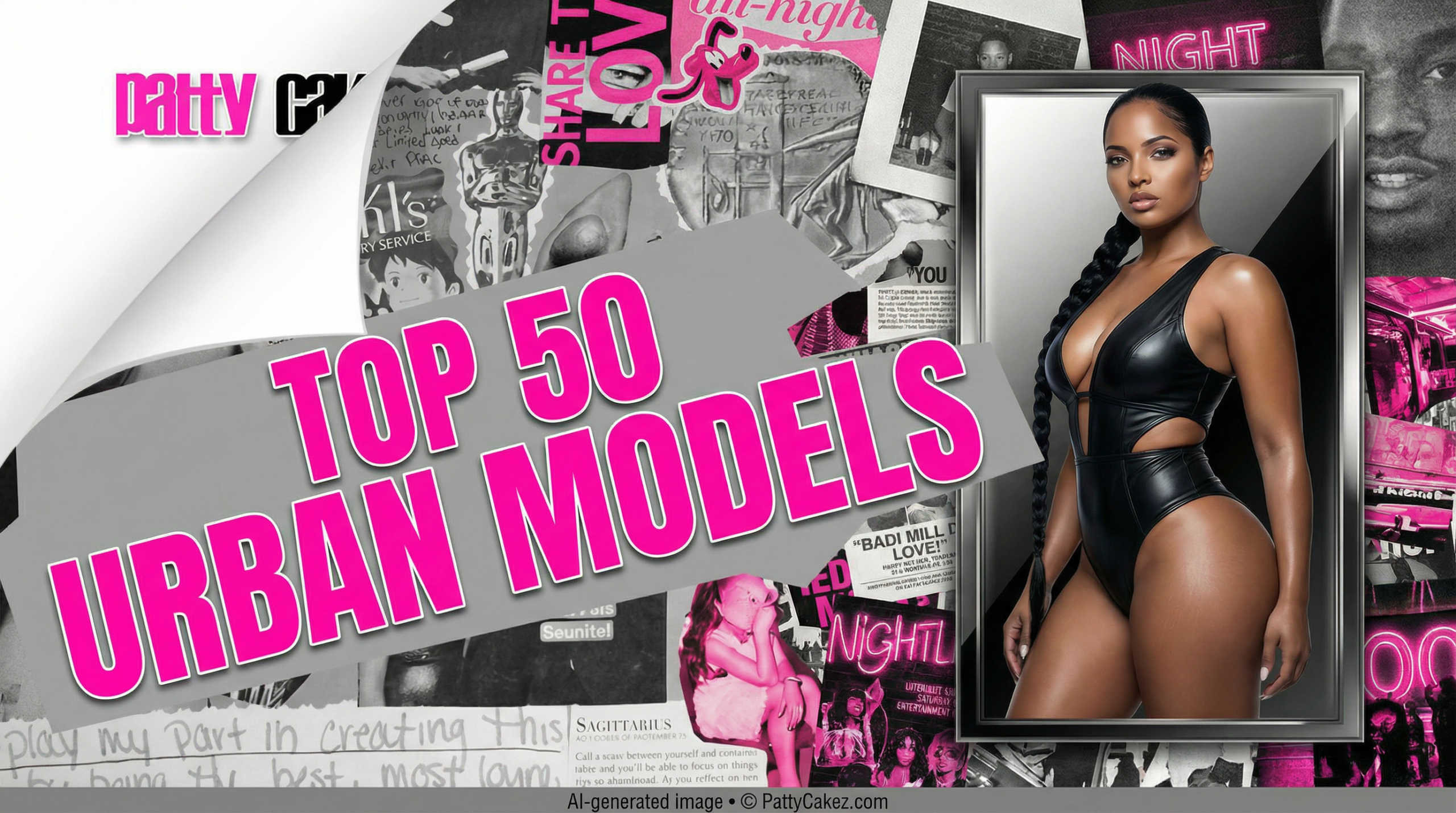
The 50 Most Influential Urban Models of All Time
From Video Sets to Viral Feeds: The Women Who Built Hip-Hop’s Visual Economy
A cultural history of the video vixen era, strip-club celebrity, reality TV, Instagram fame, and the OnlyFans economy — and how women turned visibility into power.
Quick Answer: What is Hip-Hop’s “Visual Economy”?
Hip-hop’s visual economy is the ecosystem where image becomes currency: music videos, magazines, nightlife, strip clubs, blogs, reality TV, Instagram, and subscription platforms — all converting attention into money, status, and influence.
The Video Vixen Era
In the late 1990s and early 2000s, music videos became cultural events. Directors created cinematic worlds — and the women inside those worlds became recognizable icons. Some translated screen time into careers, businesses, and longevity.
Melyssa Ford
Often considered the defining video vixen of her era, she helped prove the video was the audition — not the destination — translating visibility into a broader media career.
Esther Baxter
A major presence in mid-2000s hip-hop visuals, representing the era’s “neighborhood-to-mainstream” fantasy while exposing how visibility didn’t always equal long-term infrastructure.
Gloria Velez
A fixture in iconic video-era imagery, bridging modeling, celebrity relationships, and early reality-TV visibility before social media turned those moves into a standard playbook.
Vida Guerra
Helped expand the era’s visual vocabulary with crossover appeal, showing how hip-hop visibility could launch broader glamour and commercial modeling success.
Bria Myles
Represents the hybrid moment: video-era fame amplified by the rise of social platforms — and the power of becoming “name-cemented” in lyrics and culture.
The Magazine & DVD Era
Urban magazines and DVDs created a direct-to-consumer blueprint before Instagram existed. This era proved that an audience could be monetized through distribution, appearances, and self-owned content.
Buffie the Body
Built an identity around curves and confidence before “body positivity” became mainstream, showing how personal brand could outlast any single platform.
Dollicia Bryan
Demonstrated how urban modeling visibility could become a stepping stone into broader commercial opportunities.
Rosa Acosta
Used modeling visibility to build an expertise-based lane (fitness/dance), foreshadowing the “creator with skills” influencer wave.
The Strip-Club Celebrity Era
In cities like Atlanta and Miami, strip clubs became cultural institutions — talent incubators, networking hubs, and engines of celebrity. This era normalized monetizing access long before the internet named it “the creator economy.”
Malaya Michaels
A Magic City legend who scaled nightclub fame into online influence by turning lifestyle and personality into a recurring product.
Whyte Chocolate (Magic City)
Embodied Atlanta strip-club mythology — her name became a cultural signal that traveled through songs, club lore, and the city’s nightlife identity.
The Reality TV Era
Reality TV turned image into narrative — the difference between being seen and being known. It monetized personality, conflict, and story arcs at scale.
Cardi B
Used reality TV as amplification, then transcended it — proving that strip-club charisma + internet voice could become mainstream empire.
RHOA Influence Nodes
Porsha Williams, Kenya Moore, Cynthia Bailey helped push hip-hop-adjacent storylines into mainstream television, expanding the “culture conversation” beyond rap blogs.
The Instagram & OnlyFans Economy
Instagram made distribution immediate. OnlyFans made monetization direct. Together they reduced gatekeepers and turned attention into a business model anyone could scale — if they understood the economics.
Blac Chyna
She came from strip-club culture, leveraged relationships and visibility, and turned platform attention into a broader brand strategy — then used subscription economics as a direct revenue extension.
Amber Rose
Turned early visibility into sustained cultural influence through voice, activism, and brand moves — making her bigger than any single relationship or era.
Bernice Burgos
Proof that Instagram fame itself can be a career — built through consistency, visual branding, and business leverage.
Modern Instagram Era
Ari Fletcher, Jayda Cheaves, Lira Galore, Brittany Renner, Alexis Skyy and others represent the era where influence converts directly into businesses, book deals, appearances, and platform revenue.
Next: The Definitive Top 50 List
Below is the PattyCakez Top 50 — ranked by cultural influence and impact on hip-hop’s visual economy (not looks).
The 50 Most Influential Urban Models of All Time (PattyCakez Ranking)
Ranking is based on cultural impact: visibility → narrative power → platform leverage → business influence.
Top 10 (Culture Definers)
- Amber Rose — turned visibility into lasting cultural influence and brand power.
- Blac Chyna — strip-club roots → mainstream celebrity → platform monetization.
- Melyssa Ford — the video vixen archetype at its peak; blueprint status.
- Cardi B — stripper + reality TV + internet voice → global stardom (lane-breaking).
- Karrine “Superhead” Steffans — narrative power (books) changed the public conversation.
- Bernice Burgos — Instagram-era dominance as a standalone career model.
- Buffie the Body — DVD/magazine era icon; body-standard influence.
- Gloria Velez — era-defining presence; early bridge between lanes.
- Vida Guerra — crossover + magazine dominance; broadened the visual era.
- Esther Baxter — signature mid-2000s vixen visibility and era imprint.
11–25 (Era Anchors)
- Bria Myles — lyric-cemented + video era → modern influence bridge.
- Keyshia Dior (Ka’oir) — video visibility → entrepreneur pipeline.
- Rosa Acosta — DVD era + fitness creator lane.
- Dollicia Bryan — magazine icon with broad recognition.
- Malaya Michaels — strip-club celebrity → online influence.
- Whyte Chocolate (Magic City) — Atlanta nightlife legend.
- Delicious (Chandra Davis) — reality-era visibility + pop culture footprint.
- Tahiry Jose — blog/reality bridge with major era presence.
- Kimbella — modeling + reality TV + culture conversation.
- Alexis Skyy — dancer/model/reality + modern influencer era.
- Lira Galore — relationship-era visibility + influencer economics.
- Brittany Renner — Instagram voice + book + controversy-to-currency.
- Ari Fletcher — modern influencer business template.
- Jayda Cheaves — platform attention → entrepreneurship lane.
- Coco Austin — early “curves + celebrity adjacency” prototype.
26–40 (Reality + Blog + City Scene Nodes)
- Erica Mena
- Tommi Lee
- DreamDoll
- Porsha Williams
- Kenya Moore
- Cynthia Bailey
- Lola Monroe
- Drea Michaels
- Rosa Perez
- Lauren London
- LisaRaye
- Danny Banks
- Stephanie Santiago
- Naya Lee
- Ayesha Howard
41–50 (Honorable Mentions / Lane Builders)
- Vida Guerra (legacy impact)
- Glenn Twins
- Courtney Black
- Bria Myles (legacy impact)
- Dollicia Bryan (legacy impact)
- Rosa Acosta (legacy impact)
- Keyshia Dior (legacy impact)
- Tahiry Jose (legacy impact)
- Kimbella (legacy impact)
- Bernice Burgos (legacy impact)
FAQ
How is this list ranked?
By cultural impact — how a person influenced hip-hop’s visual culture, narrative economy, and monetization pathways over time.
Is this list fixed?
No. PattyCakez updates it as new figures rise and the economics of attention evolve.


0 comments